
Two minutes and a bucket after every muddy walk keeps a good pair going for years. Here's the routine.
Quick answer: rinse the mud off your Grubs wellies with cool or lukewarm water and a soft brush before it dries, wipe neoprene uppers with a damp cloth, then let them dry naturally at room temperature, away from radiators, stoves and direct sun. Store them upright somewhere cool, dark and dry. Every so often, give the rubber a coat of a conditioner like ReviveX to keep it supple and stop white marks and cracking. No washing machines, no solvents and no drying on the Aga.
A good pair of wellies will see you through years of muddy mornings, but only if you don't cook them on the radiator every night. The good news is that looking after them takes about two minutes and a bucket. Here's how we'd do it, starting with a quick video.
After every muddy walk: rinse, don't scrub
Mud's easiest to shift while it's still wet. Once it dries it sets hard, and the grit in it scuffs the rubber when you finally scrape it off.
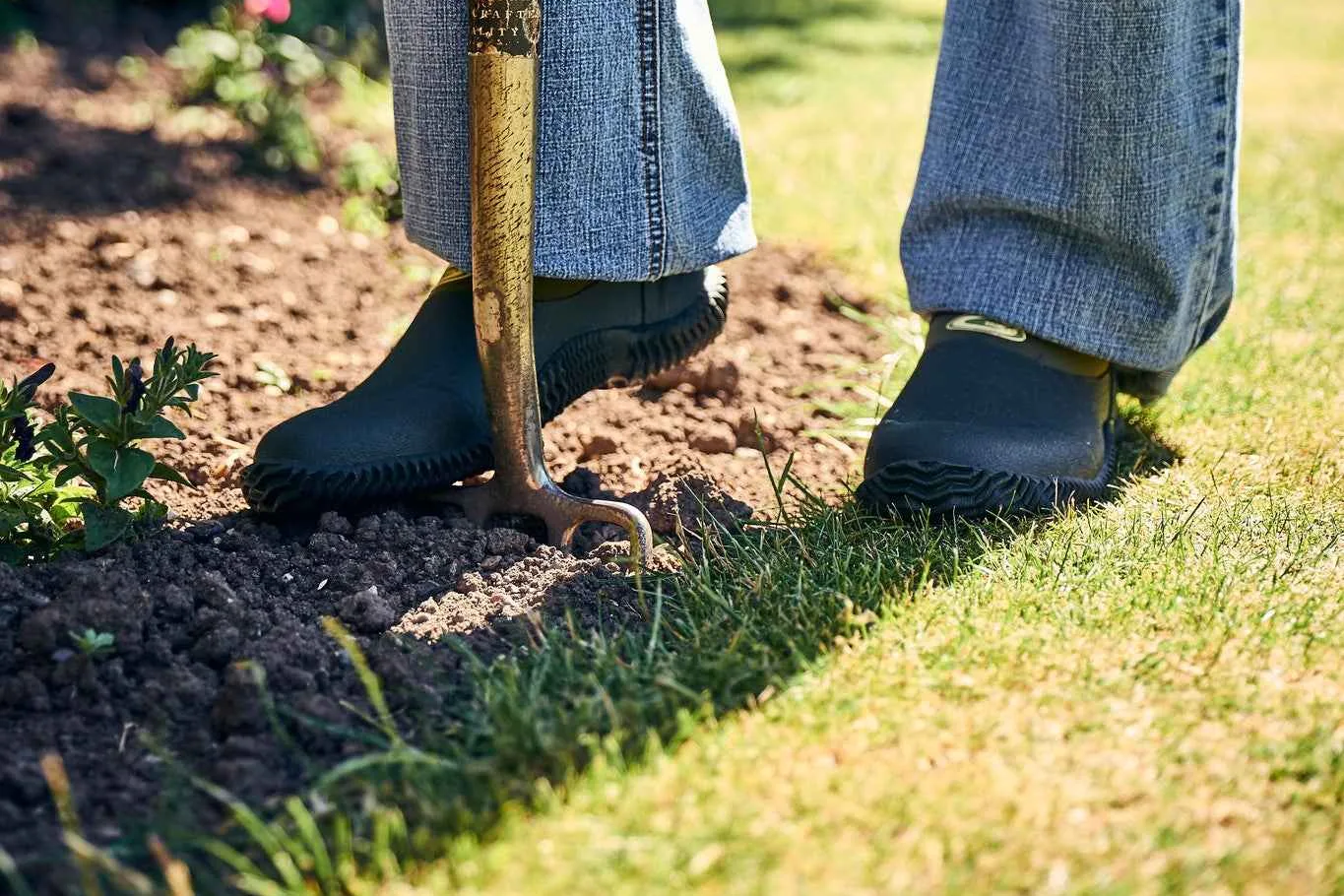
- Knock off the worst by stamping on the grass or a doormat.
- Rinse with cool or lukewarm water. A hose on a gentle setting, an outside tap or a bucket all work. Hot water isn't needed.
- Brush the tread with a soft brush or an old washing-up brush. A lollipop stick shifts anything packed in the lugs. Clean treads grip better next time out.
- Wipe neoprene uppers with a damp sponge or cloth rather than blasting them. If they're properly grubby, a drop of mild soap in warm water is fine. Rinse the soap off afterwards.
If you've been on a farm, rinse off muck and slurry the same day. It's mucky stuff to leave on any boot.
What not to do
- No washing machines or tumble dryers. The heat and tumbling can damage the bond between the neoprene and rubber.
- No solvents, bleach, white spirit or petrol-based cleaners. They attack rubber and can leave it sticky or cracked.
- Don't pressure-wash at close range. A jet held right against the neoprene can damage it. Stand back or use the hose.
- Don't dry them on direct heat. Radiators, log burners, Agas, fan heaters and hairdryers dry rubber out and can make it crack. This is the number one way wellies die young.
Drying your wellies properly
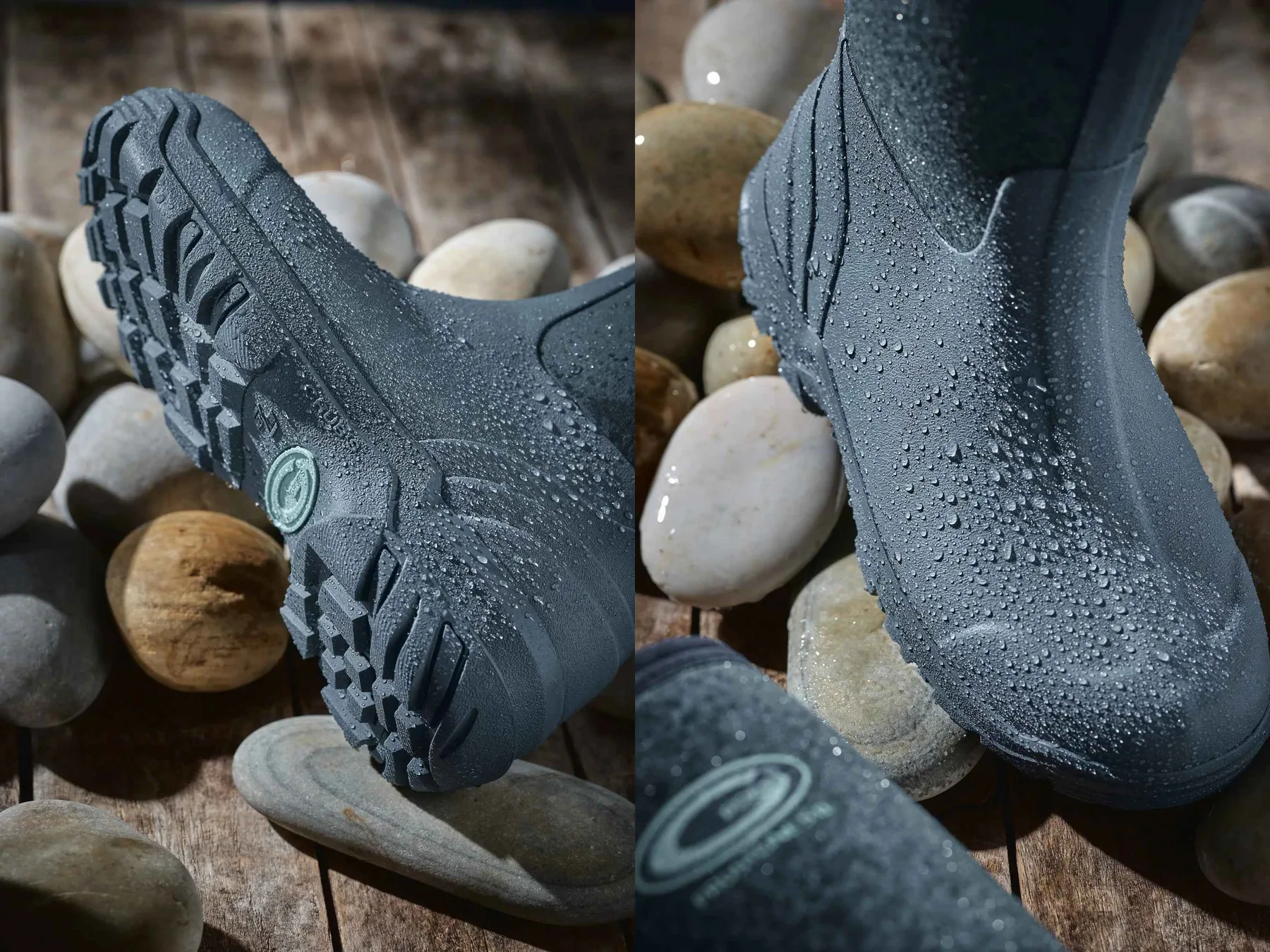
Let them dry naturally at room temperature. A utility room, porch or garage is ideal. If the insides are wet from a puddle over the top or a sweaty day, stuff them loosely with newspaper and change it after a couple of hours. It soaks up the moisture and helps them keep their shape.
Most Grubs boots have a SUPERDRI™ lining, which wicks moisture away from your foot. It's also fungus and rot proof, so it won't go musty like old cotton-lined wellies can. It still needs to dry out between wears.
Keeping the inside fresh
- Wear proper boot socks. Our Grubs socks are made for our boots and keep your feet drier than cotton.
- Once in a while, wipe the inside with a damp cloth and a little mild soap, then leave the boots to air with the tops open.
- If you wear wellies every day, two pairs on rotation means each pair gets a full day to dry.
Taking them off without wrecking the heel
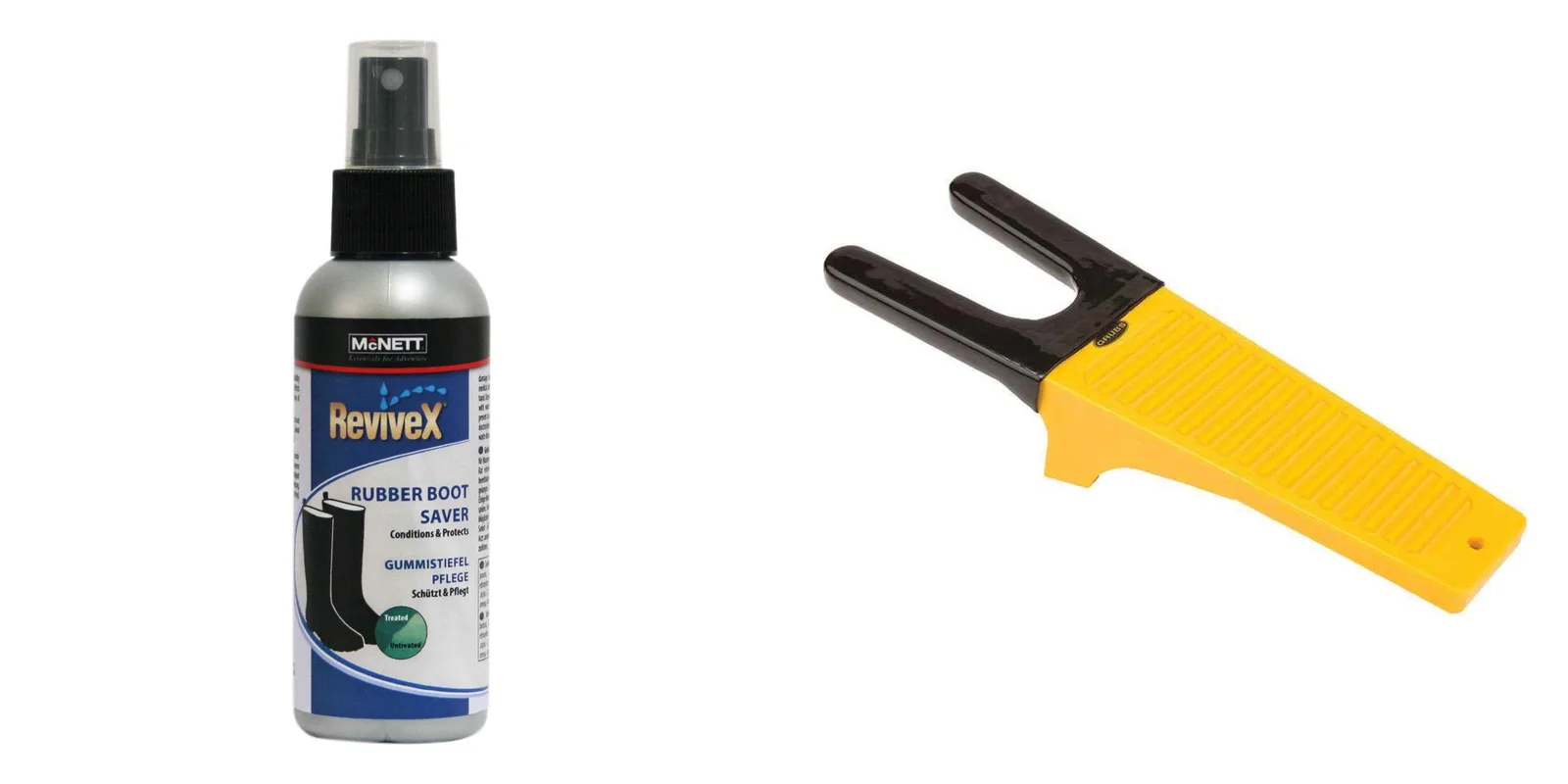
Treading on one heel to lever the other boot off is how most of us do it. It also strains the back of the boot every single time. A Grubs Boot Jack holds the heel for you, so the boot slides off without bending down or getting your hands mucky.
White marks on your wellies? That's "blooming"
A whitish, powdery film on the rubber is called blooming. It's common on natural rubber boots, especially after they've been stored, and it's harmless. It doesn't mean the boot is faulty or leaking.
Wipe it off with a damp cloth. A rubber conditioner keeps it from coming back. ReviveX Rubber Boot Saver prevents blooming and removes white marks. It also restores the shine and protects rubber, neoprene and plastic from sun damage, cracking and fading. It contains no harsh solvents. Spray it on clean, dry boots and buff it in with a soft cloth.
Storing wellies over summer
Most wellies don't wear out on the field. They wear out in the shed. Sunlight and heat are what dry rubber out and crack it.
- Clean and dry them first. Packing them away muddy is asking for trouble.
- Give the rubber a coat of conditioner.
- Store them upright on a boot rack or the floor. Don't fold the tops over or squash them under other kit. A crease that sits for months can turn into a crack.
- Keep them somewhere cool, dark and dry. Not the conservatory, the greenhouse, a sunny windowsill or the boot of the car.
- Stuff the legs with newspaper if they tend to flop over.
Care by boot type
| Boot type | Examples | Cleaning | Watch out for |
|---|---|---|---|
| Neoprene with a rubber lower | Frostline 5.0, Fenline 5.0, Midline 5.0 | Rinse the rubber, wipe the neoprene with a damp sponge | Direct heat and close-range pressure washing |
| Full rubber, neoprene lined | Highline 2.0, Rainline 2.0 | Hose and go, the easiest of the lot | Blooming and sun-cracking in storage. Condition the rubber |
| SUPERLITE® lightweight | Shoreline 4.0, Tideline 4.0, Bowline 4.0 | Rinse and wipe with a damp cloth | Heat. Dry them at room temperature only |
| Extreme cold field boots | Bearline 8.5, Snowline 8.5 | Rinse the rubber, wipe the neoprene | Thick 8.5mm neoprene takes longer to dry inside. Use newspaper |
Your welly care checklist
- After every walk: rinse, brush the tread, dry at room temperature.
- Every month or so: wipe the insides and check the tread for stones.
- Before storing them for summer: clean, dry, condition and stand them upright in the dark.
- In autumn: check for cracks around the flex points before the wet weather arrives.
Welly care questions
Can I put wellies in the washing machine?
No. The heat and tumbling can damage the rubber and the bond between the neoprene and rubber. Rinse them with a hose or a bucket of cool or lukewarm water and a soft brush instead.
How do I get white marks off rubber wellies?
The white film is called blooming. It's harmless and common on natural rubber. Wipe it off with a damp cloth, then use a rubber conditioner such as ReviveX, which prevents blooming and restores the shine.
Can I dry wellies on a radiator?
Best not. Direct heat from radiators, stoves and hairdryers dries rubber out and can cause cracking. Dry them at room temperature and stuff them with newspaper if the insides are wet.
How do I stop my wellies smelling?
Let them dry fully between wears, wear proper boot socks and wipe the insides occasionally with mild soapy water. Most Grubs boots have a SUPERDRI™ lining, which is fungus and rot proof, so it won't smell like cotton-lined wellies.
How should I store wellies when I'm not using them?
Clean and dry them, condition the rubber and store them upright somewhere cool, dark and dry. Keep them out of sunlight and don't fold the tops over.
How long do wellies last?
It depends on how much you wear them and how they're treated. The biggest killers are direct heat, sunlight in storage and leaving mud to dry on. Avoid those three and a good pair will last for years.
Looking after them properly? Then you've earned some new ones. Have a look at the Outdoor Leisure range, or read up on how neoprene wellies work and how wellies should fit.